

-
নারী অধিকার
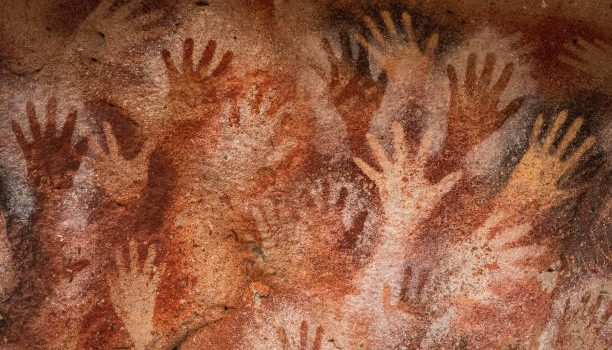
প্রাচীন যুগে মানব সভ্যতার সূচনার আগে মানুষ পশু শিকার করতো। সে সমাজ ছিল সাম্যবাদী সমাজ। নারীরা ঘরের বাইরে বিচরণ করতো এবং ফল, মূল সংগ্রহ করতো। নারীরা প্রথম আবিস্কার করলো বীজ থেকে ফসলের জন্ম হয়। যত্ন করলে এবং প্রয়োজনীয় পানির ব্যবস্থা থাকলে বীজ থেকে ফসল তৈরি করা যায়। তখন আদিম বর্বর মানুষ নদীর তীরবর্তী অঞ্চলে সভ্যতার সূচনা করলো। তারা পশু শিকার থেকে বের হয়ে এসে কৃষিজীবী সমাজ প্রতিষ্ঠা করলো। কিন্তু কৃষিজীবি সমাজে আগমন ঘটলো সম্পদের ধারণা। এক গোত্রের সাথে আরেক গোত্রের যুদ্ধ শুরু করলো। পুরুষেরা আবিষ্কার করলো শারীরিক ভাবে তারা শক্তিশালী। তখন তারা কৃষি কর্মের আবিষ্কারক নারীদের গৃহবন্দী করলো। মানব সমাজের যেকোন সভ্যতায় নারীর গৃহবন্দী হবার ঘটনাটি একই রকম। তারপর হাজার বছর ইতিহাসের বারংবার একই ঘটনার পুনরাবৃত্তি হল। গত শতকে এসে প্রথম নারীদের ভোটাধিকার দেয়া হল। যদিও তা সেরকম কোন অর্থ বহন করে না। নারীরা সবসময়ই পদদলিত এবং বাক শক্তি হীন। নারীর কোন দেশ নেই, নেই কোন আত্ম পরিচয়। সে শুধুই এক ভোগ্য পণ্য। কিন্তু সময় এসেছে বদলে যাবার। আমি নারী বাদী নই কিন্তু আমি মনে করি নারীদের অধিকার নিয়ে কথা বলা মানুষের অধিকার নিয়ে কথা বলা। নারী নয় কোন ভোগ্য পণ্য অথবা মাংসের পিণ্ড। সে একজন স্বাধীন সত্ত্বা। সুযোগ দিলে নারীরা পুরুষের চেয়ে কোন দিক থেকে কম নয়। সেটা তারা বারংবার প্রমাণ করেছে।
[একজন মূর্খ লেখকের অপ্রয়োজনীয় লেখা।] See less10 Comments-
-
![Profile picture of Md Zaker Hayat Khan [ Zaker Aditya ] [ জাকের আদিত্য ]]()
ধন্যবাদ
-
-
![Profile picture of Md Zaker Hayat Khan [ Zaker Aditya ] [ জাকের আদিত্য ]]()
প্রাচীন সাম্য বাদী সমাজে নারীর সন্তান জন্ম দেয়ার ক্ষমতা বিশেষ ভাবে দেখা হতো। নারীর আছে সৃষ্টির শক্তি। ধন্যবাদ। বানান ভুল গুলো ক্ষমা সুন্দর দৃষ্টিতে দেখবেন। আজকাল পোস্ট করার পর আর এডিট করা যায় না।
-
![Profile picture of Md Zaker Hayat Khan [ Zaker Aditya ] [ জাকের আদিত্য ]]()
In hunter-gatherer societies, women played diverse and essential roles that often blurred the lines of traditional gender stereotypes. While a common historical view suggested a rigid “man as hunter, woman as gatherer” divide, modern research reveals that women’s contributions were far more varied and critical to group survival. Women’s primary roles typically included: Primary Food Provisioning: Women were often the most reliable food providers, contributing roughly 75% to 80% of a group’s total calories through the gathering of plants, nuts, berries, and tubers. Intentional Hunting: Recent studies have upended the “man the hunter” myth, finding that women hunted in 79% of surveyed foraging societies. This included: Large Game: In about 33% of societies, women purposefully hunted big mammals. Small Game: Women frequently hunted smaller animals like rabbits and lizards, often while out gathering other foods. Strategic Flexibility: Unlike men, who often hunted alone or in pairs, women frequently hunted in larger groups, sometimes using dogs or being accompanied by children. Childcare and Social Fabric: Women were central to raising and teaching children, often using “alloparenting” (shared caregiving) to manage the demands of both childcare and food procurement. They also played key roles in maintaining social cohesion and preserving tribal harmony. Technical and Logical Contributions: Women were involved in tool-making, food processing, and informational or ritualistic roles within their communities. Physiological Advantages Research suggests women were physically well-suited for these roles. The hormone estrogen provided a metabolic advantage in long-distance endurance tasks, such as tracking prey over several miles, by allowing muscles to use fat as a long-lasting energy source.
-
![Profile picture of Neel tripura]()
নারী সভ্যতার জন্মদাত্রী…..🤍
-
![Profile picture of অমিত]()
কৃষির আবিষ্কারক নারীকেই পুরুষ শক্তির জোরে গৃহবন্দী করেছে হাজার বছর
-
![Profile picture of Syed Farah]()
সভ্যতার উষালগ্নে নারীর যে হাত ছিল সৃজনশীল কৃষির মূলে, পেশ পেশিশক্তির দাপটে সেই হাতই হলো শৃঙ্খলিত ও গৃহবন্দি। আপনার লেখনীতে নারীর এই ঐতিহাসিক বঞ্চনা এবং বর্তমানের প্রতিবাদী চেতনা অত্যন্ত বলিষ্ঠভাবে ফুটে উঠেছে।
-
![Profile picture of Md Zaker Hayat Khan [ Zaker Aditya ] [ জাকের আদিত্য ]]()
ধন্যবাদ
-
-
![Profile picture of সাম্য রায়]()
কথাগুলো খুব ভালো লেগেছে ।
-
![Profile picture of Md Zaker Hayat Khan [ Zaker Aditya ] [ জাকের আদিত্য ]]()
ধন্যবাদ
-
-
![Profile picture of Md Zaker Hayat Khan [ Zaker Aditya ] [ জাকের আদিত্য ]](https://toulot.com/wp-content/uploads/avatars/10175/1739630750-bpthumb.jpg)















অপূর্ব এক বিশ্লেষণ! নারী কোনো পণ্য নয়, বরং সৃষ্টির আদি শক্তি এবং একজন স্বাধীন মানুষ। চমৎকার লিখেছেন!